Closed-Loop Heating System
What Is a Closed-Loop Heating System?
To understand how a closed-loop heating system works, imagine a heat transfer fluid continuously circulating within a sealed pipeline system.
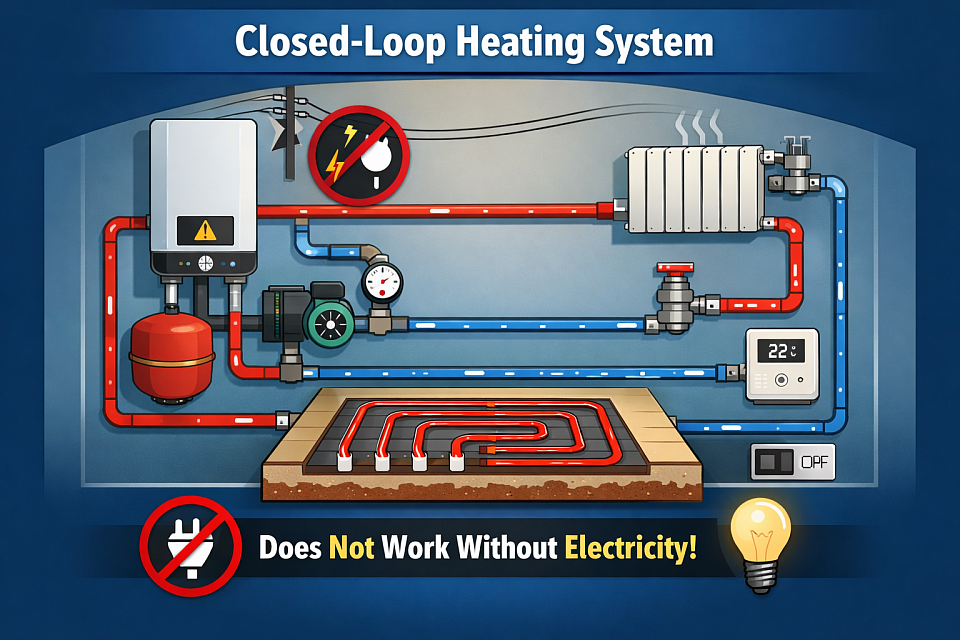
A heating system can generally be divided into the following components:
• a heat generation unit;
• a heat transfer and distribution system;
• a diaphragm expansion tank;
• end heat consumers;
• monitoring and control equipment;
• a pressure relief valve.
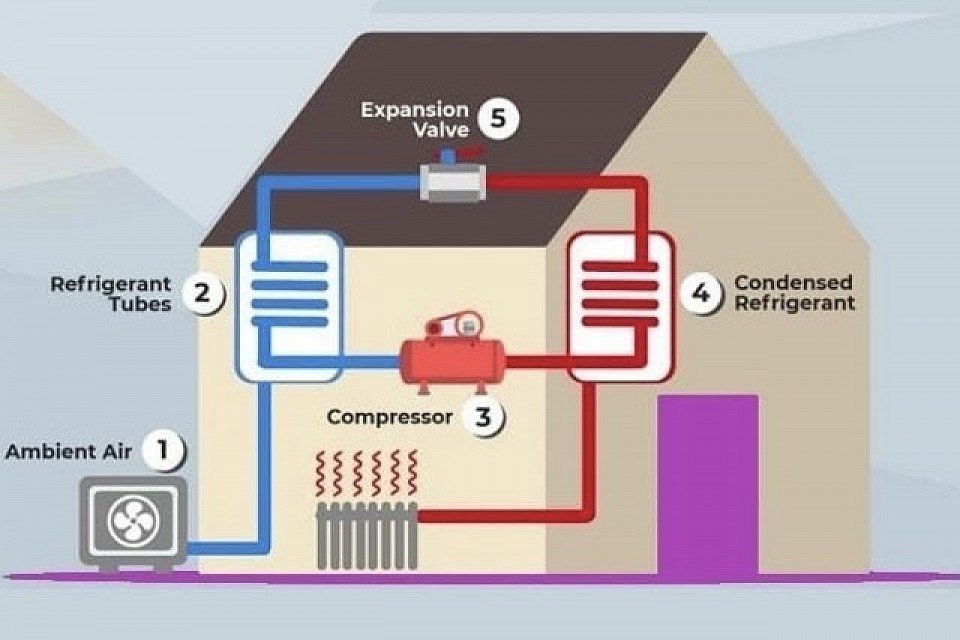
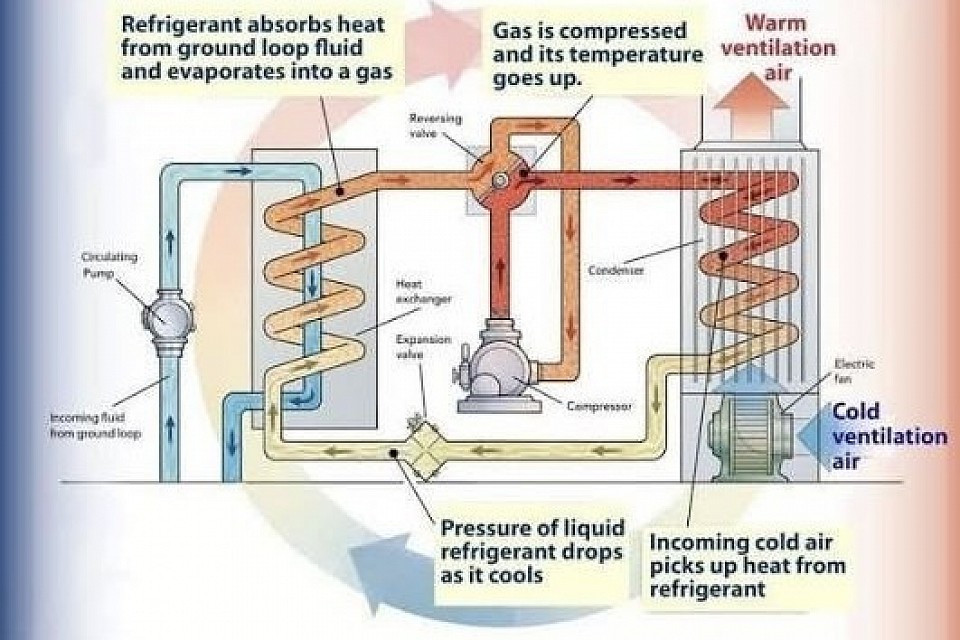
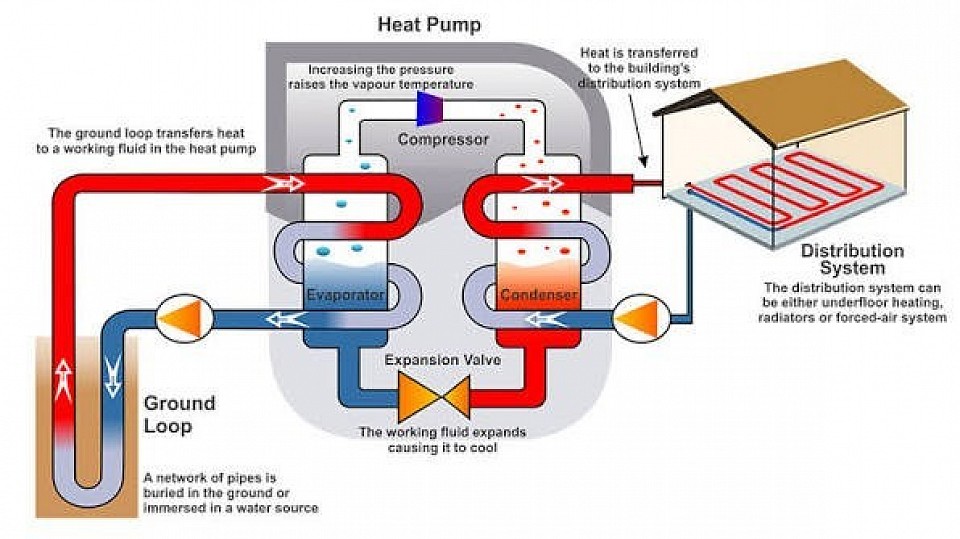
Heat generators are typically boilers that operate on gas, oil, liquid, or solid fuels. These may also include instantaneous heaters, electric storage water heaters with centralized heating, district heating stations, and heat pumps.
The heat transfer and distribution system consists of pipelines, distribution units, storage tanks, and a circulation pump. The pump capacity must be calculated based on the total system resistance. Building height is not taken into account, since the water pumped into the supply line returns through the return line.
The diaphragm expansion tank is designed to compensate for changes in the volume of the heat transfer fluid as temperature varies. Its primary function is to maintain stable system pressure.
Heat consumers are heat-emitting surfaces located within heated spaces, such as radiators, fan coils, heating panels, and underfloor heating systems. Thermal energy flows from areas of higher temperature to lower temperature. The greater the temperature difference, the more intense the heat transfer.
Heat transfer in a heating system occurs through three physical processes:
• conduction;
• convection;
• radiation.
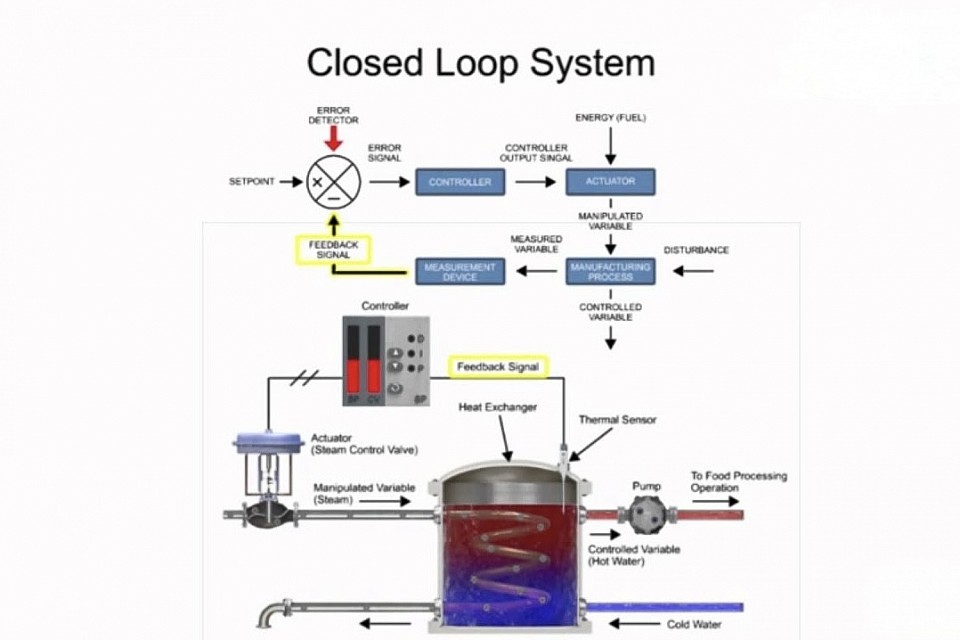
In today’s world, no technical system can function efficiently without proper automation. Modern heating systems include control units that ensure reliable and uninterrupted operation without constant supervision. The simplest example is a thermostatic radiator valve, which maintains a stable indoor temperature. Modern boilers and pumps are equipped with mechanical, electrical, and electronic control systems.